
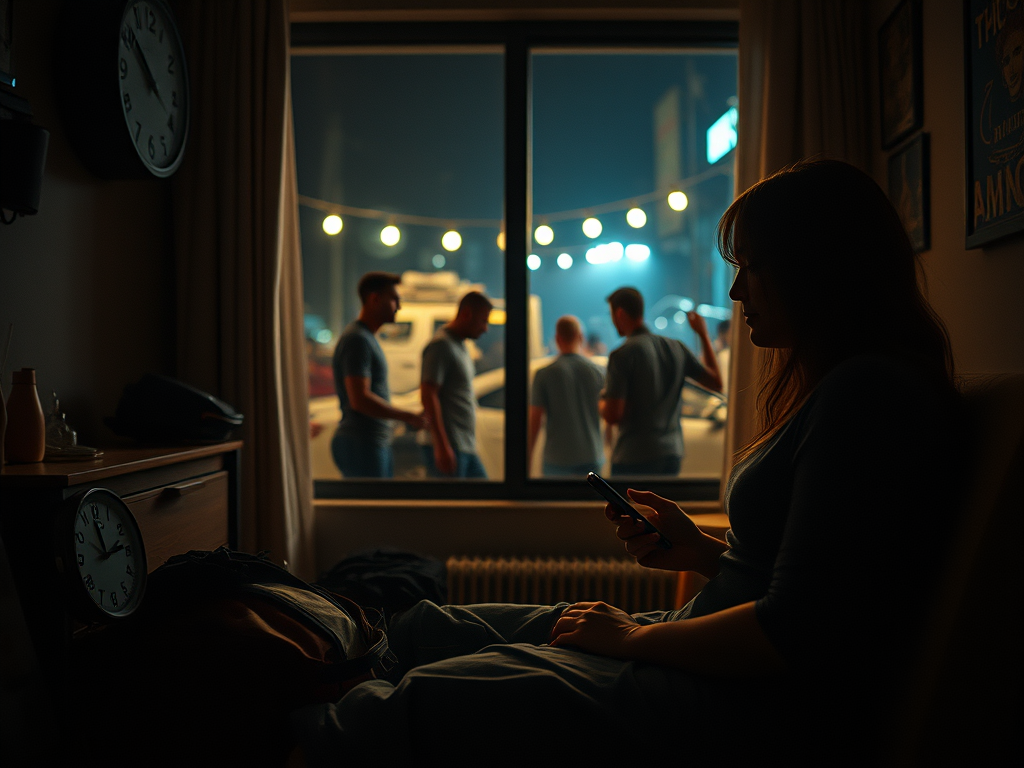
“Not All Men” – A reflection
“Not All Men” and the Work We Avoid
“Not all men are abusive.”
The statement is factually true. It is also often the wrong place to start.
When women speak about fear, violence, or harm, they are rarely making a statistical claim about all men. They are describing a reality shaped by uncertainty, power imbalance, and risk management. Responding with “not all men” may feel like clarification, but more often it functions as deflection—away from lived experience and toward male innocence.
The better question is not whether all men are abusive.
The better question is: why do women have to behave as if a man might be?
The Invisible Calculations of a “Simple Night Out”
For many men, a night out is spontaneous. For many women, it is strategic.
Before leaving the house, women often consider:
- What time they’ll be home
- How they’ll get there and back
- Who they’ll be with
- Whether they’ll drink, and how much
- What they’ll wear—and how it might be interpreted
- How to avoid being alone with strangers
- Whether their phone is charged
- Whether someone knows where they are
These are not neurotic habits. They are risk-reduction strategies learned early and reinforced often.
Men, by contrast, are far less likely to be taught to think this way. Not because danger does not exist for men—but because men are not routinely socialised to expect harm from women in public spaces.
That difference matters.
“But Men Are More Likely to Be Hurt or Killed”
This is another true statement that is frequently misused.
Yes, men are statistically more likely to be victims of violence outside the home. But the source and context of that violence matters. Men are most often harmed by other men, typically in environments shaped by male norms around aggression, dominance, alcohol, and conflict.
Women’s risk profile is different:
- Higher likelihood of sexual violence
- Greater risk from known men (partners, acquaintances, colleagues)
- Increased vulnerability due to physical power imbalance
- Social consequences for resisting, reporting, or naming harm
So while men may face higher rates of certain kinds of violence, women face persistent, gendered threat—one that follows them into homes, relationships, workplaces, and public spaces.
This is not a competition. It is a clarification.
Power Is Not Just About Intention
One of the hardest ideas for many men to accept is this:
You can be a good man and still benefit from male power.
Power does not require malice. It operates structurally.
Men, simply by being male, often hold:
- Greater physical power
- Greater social credibility
- Greater freedom of movement
- Lower perceived threat from others
- Less scrutiny over behaviour
- Less fear of not being believed
This is not something most men consciously choose. It is something most men inherit.
And because it is inherited, it often feels invisible.
Why “Not All Men” Misses the Point
When women share experiences of fear or harm, they are not asking men to confess. They are asking men to listen.
“Not all men” recentres the conversation on male feelings rather than female safety. It asks women to reassure men that they are not the problem—often at the very moment women are trying to explain why the problem exists at all.
The unspoken message becomes:
“Before we talk about your fear, make sure I’m comfortable.”
That is not neutrality. That is power at work.
What Accountability Actually Looks Like
Accountability does not mean accepting blame for crimes you didn’t commit.
It means accepting responsibility for the system you benefit from.
It looks like:
- Believing women without demanding perfect narratives
- Challenging other men, not expecting women to do it
- Not dismissing fear just because you don’t inspire it
- Reflecting on how silence can reinforce harm
- Understanding that safety for women often requires inconvenience for men
Most importantly, it looks like resisting the urge to centre yourself.
The Question Worth Sitting With
The conversation does not need men to say, “All men are bad.”
It needs men to ask:
- Why do women have to be this careful?
- What do I gain by not seeing this?
- How does my comfort depend on their vigilance?
- What would change if I listened without defending?
“Not all men” may be true.
But enough men, often protected by silence, denial, and misplaced defensiveness, have shaped a world where women cannot afford to stop calculating risk.
And that is not a women’s issue.
That is a men’s responsibility.