Impacts of Conflict on Children
“They’re Not Affected — We Don’t Argue in Front of Them.”
Many fathers believe this.
“We don’t fight in front of the kids.”
“They’re too young to understand.”
“It’s just tension — they’ll be fine.”
“I never say anything about their mum to them.”
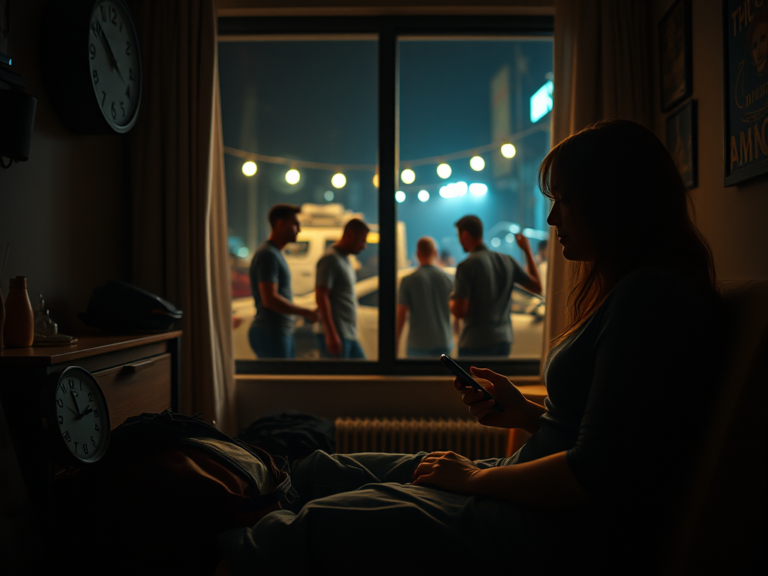
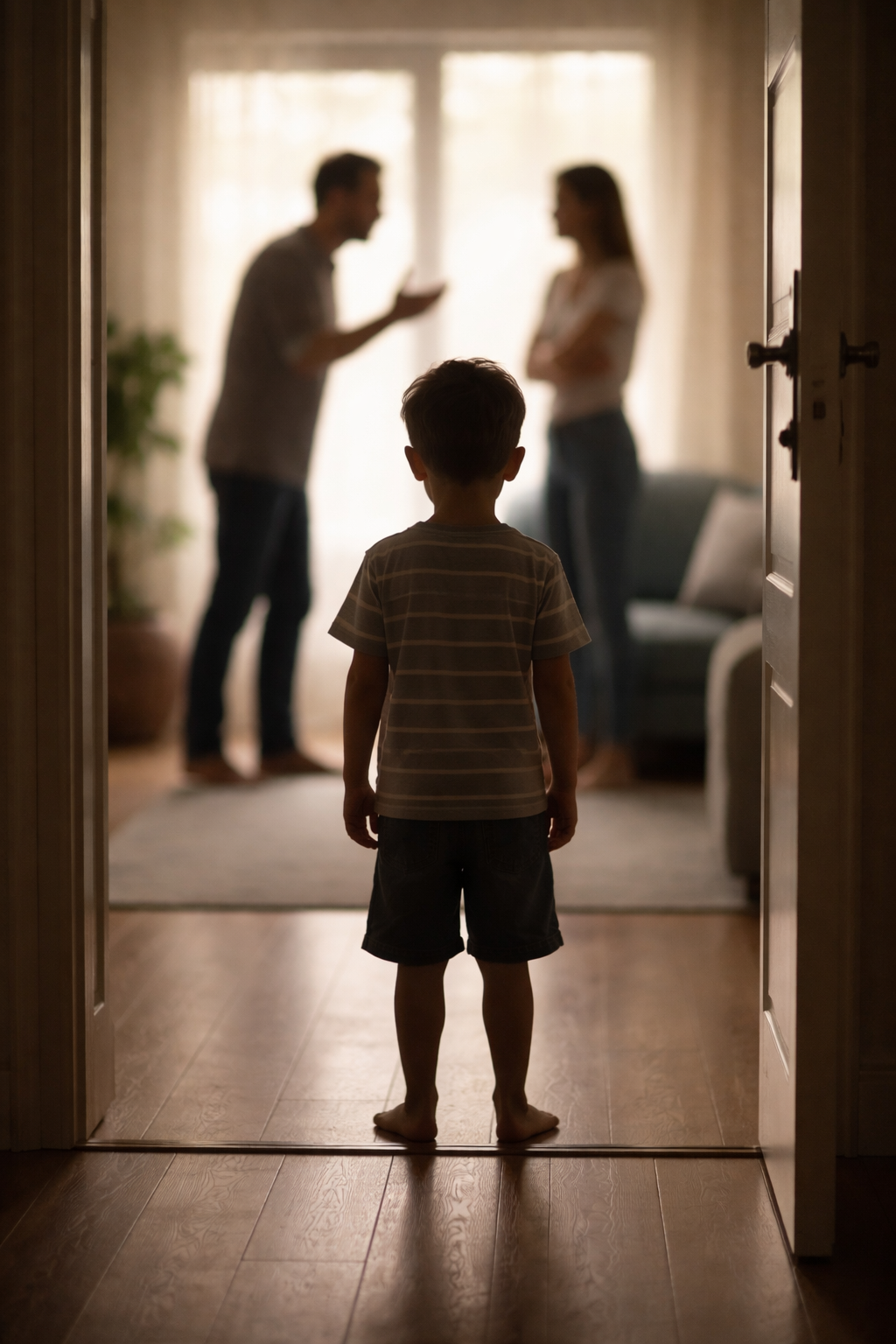
But children don’t need front-row seats to be affected. They live in the emotional climate of the home. And climate shapes their emotional, psychological and academic development.
Children Feel What You Think They Hide
You don’t need shouting for children to be impacted. They notice:
- The silence after an argument
- The tight tone in your voice
- Doors closing harder than usual
- Mum’s face when you walk into the room
- The way conversations stop when they enter
Children are wired to scan for safety.
If the emotional atmosphere feels unpredictable, tense, or charged, their nervous system adapts. That adaptation can look like:
- Anxiety
- Hyper-vigilance
- People-pleasing
- Aggression
- Withdrawal
- Becoming “the good one”
- Becoming “the problem one”
They are not dramatic. They are adjusting to the environment you are subjecting them to.
Conflict vs Emotional Safety
Disagreement is normal. Children do not need parents who never disagree. They need parents who:
- Regulate themselves
- Repair after conflict
- Maintain respect
- Do not weaponise anger
- Do not undermine each other’s dignity
The damage is not disagreement. It’s fear, instability, contempt and chronic hostility.
And sometimes it’s something more subtle — the erosion of respect.
“I Don’t Say Anything Bad About Their Mum.”
Let’s talk about this carefully. You might not insult her directly. But children also hear:
- Sarcasm about her decisions
- Eye-rolling
- Heavy sighs
- Comments like, “That’s just your mother.”
- Questioning her competence
- Correcting her in a way that diminishes
Even small comments accumulate. When you degrade their mother, even indirectly, children experience it as a threat to themselves.
Because she is half of them. If she is incompetent, irrational, over-emotional, or manipulative — what does that mean about them? What message do they hear about themselves?
Children internalise that message.
The Split Loyalty Burden
When conflict is unresolved or contempt becomes normal, children often:
- Take sides
- Feel responsible to protect one parent
- Feel guilty loving both
- Suppress their own needs to reduce tension
This creates internal conflict that can last decades.
Many adults in therapy describe growing up in homes where:
“No one hit anyone. It was just tense.”
And that tension shaped their relationships, their anxiety, and their self-worth.
What Children Learn About Being a Man
If you are raising sons, they are studying you. If you are raising daughters, they are studying you too.
They learn:
- How men respond to frustration
- Whether anger equals power
- Whether women are respected
- Whether disagreement requires dominance
- Whether repair is possible
Even if they never consciously articulate it, they absorb it. Your behaviour becomes their template for their own behaviours.
The Most Overlooked Impact
Children do not just learn how to treat others. They learn what love feels like. If love feels tense, conditional, unpredictable, or intimidating — they will unconsciously seek or recreate that familiarity later.
This is how patterns travel across generations. Not through lectures and instructions. Through modelling.
If You’re Thinking, “I Don’t Want That for Them.”
That’s where change begins. You do not need to be perfect. You do need to:
- Lower the temperature before speaking
- Repair openly after conflict
- Speak about their mother with dignity — especially when she is not present
- Avoid using children as emotional confidants
- Regulate your body before regulating anyone else
Children do not need a flawless father. They need a safe one. And safety is not measured by the absence of physical violence. It is measured by the presence of emotional steadiness, respect, and accountability.
The Question That Matters
Not:
“Am I a bad father?”
But:
“What emotional environment am I creating?”
Because your children are not just watching.
They are becoming.